
A Complete Central Florida Longan Growing Guide
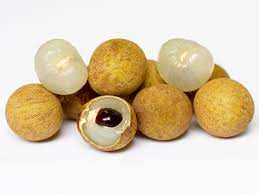
Longan is an interesting tropical fruit that can be grown successfully in suitable parts of Central Florida. The fruit is small, round and tan-brown on the outside, but inside is a translucent, juicy flesh with a sweet, honey-like flavor and floral aroma.
For Florida homeowners, longan can be much more than an unusual fruit tree. With the right variety, location, care and patience, a mature tree can provide abundant fruit for your family—and potentially become a specialty crop that can be sold locally.
At Arbuckle Creek, we’re interested in both sides of longan growing: how to grow healthy, productive trees and how a backyard grower can potentially turn a good harvest into additional income.
Can You Grow Longan in Central Florida?
Yes. Longan can be grown successfully in warm parts of Central Florida, particularly when the tree is planted in a sunny, well-drained location and protected from severe cold when necessary.
Longan prefers:
– Full sun
– Warm temperatures
– Well-drained soil
– Consistent moisture without waterlogging
– Good air circulation
– Protection from severe freezes
– Regular nutrition during active growth
Young trees are more vulnerable to cold than established trees, so location is especially important during the first several years.
For Central Florida growers, choosing the right planting site can make a major difference in long-term success.
What Is Longan?
Longan (Dimocarpus longan) is a tropical and subtropical fruit tree related to lychee and rambutan.
The fruit has:
– Thin tan or brown skin
– Translucent white flesh
– A single dark seed
– Sweet, floral flavor
– Juicy texture
– Naturally high levels of vitamin C and other plant compounds
Longan is usually eaten fresh, but the fruit can also be dried, canned, frozen or incorporated into desserts, sauces and savory recipes.
At Arbuckle Creek, we’ve also experimented with using longan in recipes involving chicken, seafood, steak, salads, desserts and sauces.
Best Longan Varieties for Florida
Variety selection is important if your goal is reliable fruit production.
When choosing a longan tree, consider:
– Cold tolerance
– Fruit quality
– Productivity
– Flowering behavior
– Mature tree size
– Time to fruit
– Whether the tree is grafted or seed-grown
– Local performance
A grafted tree from a known productive variety is generally a better choice when your primary goal is predictable fruit production.
Where Should You Plant a Longan Tree?
Choose the warmest, sunniest suitable location on your property.
Look for:
– At least 6–8 hours of direct sunlight
– Good drainage
– Protection from strong winds
– Adequate space for the mature tree
– Distance from structures, power lines and other large trees
– Easy access to irrigation
Avoid low areas where cold air and water can collect.
A location that receives additional warmth from a house or other structure can also be valuable during occasional Florida cold events.
How much money can you make growing Longan at home
How to make longan trees fruit early for market
Most profitable longan varieties to grow at home
How to Plant a Longan Tree
Step 1: Choose a Healthy Tree
Start with a healthy nursery tree whenever possible.
Look for:
– Healthy green foliage
– No obvious pest infestation
– No major trunk damage
– A strong root system
– Good branching structure
A grafted tree of a known variety is usually preferable when you want fruit sooner and more predictable characteristics.
Step 2: Prepare the Site
Longan needs drainage.
Dig a planting hole approximately two to three times wider than the root ball.
Do not automatically plant the tree deeply simply because the soil is loose.
The top of the root ball should remain at approximately the same level it was growing in its container.
Step 3: Water Thoroughly
Water deeply after planting.
During establishment, don’t allow the young tree to repeatedly dry out completely.
At the same time, avoid keeping the root zone constantly saturated.
Good drainage is just as important as adequate water.
Growing Longan From Seed
Longan can be grown from seed, and growing a tree from a seed can be a fun project for the home gardener.
However, there is an important disadvantage.
A seed-grown tree may:
– Take considerably longer to produce fruit
– Grow into a large tree before flowering
– Produce fruit that isn’t identical to the parent
– Have unpredictable fruit quality
– Have unpredictable flowering and production characteristics
Seed growing is excellent for experimentation and learning.
If your primary goal is commercial-quality fruit as quickly as reasonably possible, a grafted or otherwise vegetatively propagated tree is generally the better starting point.
Arbuckle Creek also has a detailed guide dedicated to growing longan from seed.
Growing Longan From Air Layering
Air layering is another way to propagate longan while maintaining the characteristics of the parent tree.
The basic process involves encouraging roots to form on a branch while it is still attached to the mother tree.
Once sufficient roots have developed, the rooted branch can be separated and planted.
This method can produce a tree that is genetically identical to the parent rather than relying on the unpredictable characteristics of a seedling.
Growing Longan from seed to fruit (downloadable)
Can I successfully grow longan on my small Central Florida property and make good profit?
How Long Does a Longan Tree Take to Produce Fruit?
The answer depends heavily on how the tree was propagated.
Seed-grown trees generally take much longer than grafted or air-layered trees.
Factors affecting fruiting include:
– Variety
– Propagation method
– Tree age
– Climate
– Nutrition
– Water management
– Pruning
– Sunlight
– Cold exposure
– Flowering conditions
A healthy, mature tree grown from a vegetative propagation method can potentially produce considerably sooner than a tree grown from seed.
Don’t judge a young longan tree by its first few years.
Longan is a long-term crop, and establishing a strong tree is the foundation for future production.
How Can You Make a Longan Tree Fruit Earlier?
There is no guaranteed trick that forces a young tree to produce fruit.
However, good management can help a tree reach productive maturity efficiently.
Focus on:
1. Start with the right tree
A healthy grafted or air-layered tree from a productive parent can save years compared with starting from seed.
2. Give it plenty of sunlight
Longan needs strong sunlight for vigorous growth and good fruit production.
3. Avoid excessive nitrogen
Too much nitrogen can encourage vigorous leafy growth when you want the tree to transition toward flowering.
4. Maintain good nutrition
Use a balanced fertilization program appropriate for fruit trees and your soil conditions.
5. Manage irrigation carefully
Consistent moisture is important during active growth, but excessive water can cause problems.
6. Allow the tree to mature
Sometimes the best thing you can do is give the tree time.
Longan Fertilizer
Young longan trees need nutrients to establish a strong root system and canopy.
As trees mature, nutrition should support:
– Healthy leaves
– Root development
– Flowering
– Fruit development
– Overall tree health
Avoid the temptation to continually push rapid vegetative growth with excessive nitrogen.
A soil test can help determine whether your soil is actually deficient in important nutrients.
For Florida growers, micronutrients can also become important depending on soil conditions.
Watering Longan Trees
Newly planted trees need regular watering while their root systems establish.
Once established, longan generally benefits from deep irrigation rather than constant shallow watering.
Watering requirements vary with:
– Soil type
– Temperature
– Rainfall
– Tree size
– Container vs. ground planting
– Time of year
Central Florida’s rainfall can change dramatically throughout the year, so irrigation should be adjusted rather than following a rigid calendar.
The goal is moist—but not waterlogged—soil.
Pruning Longan Trees
Pruning can help control tree size and improve access to fruit.
Remove:
– Dead branches
– Damaged branches
– Crossing branches
– Weak growth
– Poorly positioned branches
For a backyard grower, keeping the tree at a manageable height can be extremely valuable.
A tree that produces excellent fruit but grows so tall that you cannot safely harvest it isn’t an ideal backyard production system.
Longan Flowering and Pollination
Flowering is one of the most important stages of longan production.
Environmental conditions can influence flowering, and mature trees may respond differently from young vegetative trees.
Healthy flowering requires more than simply adding fertilizer.
The tree also needs:
– Appropriate maturity
– Adequate sunlight
– Good overall health
– Appropriate environmental conditions
– Suitable water management
Insects can contribute to pollination during flowering.
Protecting Longan Trees From Cold
Cold protection is particularly important for young longan trees in Central Florida.
Before a freeze or severe cold event:
– Monitor the forecast
– Protect young trees when practical
– Cover smaller trees with appropriate frost protection
– Use supplemental heat only when done safely
– Protect the root zone with mulch
– Avoid unnecessary pruning immediately before cold weather
Never place heat-producing equipment under a tree covering in a way that creates a fire hazard.
Large established trees generally have considerably more resilience than young trees, but severe freezes can still cause damage.
When Is Longan Fruit Ready to Harvest?
Longan fruit should be harvested when it has developed its characteristic mature appearance, flavor and sweetness.
Depending on variety and growing conditions, ripe fruit generally develops:
– Full-sized fruit
– Mature brown or tan skin
– Sweet translucent flesh
– Good aroma
– Appropriate firmness
Harvest carefully because damaged fruit deteriorates more quickly.
For selling directly to customers, handling and presentation can be almost as important as the fruit itself.
How Much Fruit Can a Longan Tree Produce?
Yield varies enormously.
Tree age, variety, weather, pollination, nutrition, pruning and flowering conditions can all affect production.
Rather than assuming that every mature tree will produce a particular number of pounds, we recommend keeping records from your own trees.
Track:
– Number of fruit clusters
– Approximate fruit per cluster
– Total harvested weight
– Fruit quality
– Harvest date
– Selling price
Those records become extremely valuable if your goal is eventually to sell fruit.
Is Growing Longan Profitable?
It can be—but profitability depends on much more than the price of the fruit.
Your actual return depends on:
Yield × selling price − production costs = gross profit before labor and overhead
Costs can include:
– Tree purchase
– Irrigation
– Fertilizer
– Pest management
– Pruning
– Harvesting
– Packaging
– Transportation
– Market fees
– Labor
– Land
The most interesting opportunity for a small Florida grower may be direct sales to customers who specifically want fresh, locally grown specialty fruit.
Longan’s delicate nature can also make local sales attractive because customers can receive fruit much closer to harvest.
Selling Homegrown Longan
Potential outlets can include:
– Farmers markets
– Direct sales
– Local customers
– Specialty food buyers
– Community groups
– Farm stands
– Pre-orders
– Local restaurants, where permitted
Always check Florida and local requirements before selling homegrown produce or plants.
The key is to develop the market before you have a large harvest.
Longan vs. Other Tropical Fruits
Longan is only one of several specialty fruits that can be grown in Central Florida.
Growing longan from seed to fruit (mandarin)
Backyard to Business: Selling Homegrown Longan
Home Gardener’s Guide to Growing Longan in climates such as Central Florida
You may also want to explore:
– Dragon fruit
– Mango
– Guava
– Jackfruit
– Sugar apple
– Finger lime
– Star fruit
Each has different advantages involving cold tolerance, time to fruit, yield, market value and growing difficulty.
If you’re trying to decide which fruit is best for your property, compare them before planting.
Longan Recipes
Growing longan is only half the fun.
Fresh longan can be used in much more than fruit salads and desserts.
At Arbuckle Creek, we’ve developed recipes pairing longan with:
– Steak
– Chicken
– Seafood
– Shrimp
– Scallops
– Sauces
– Desserts
– Salads
– Drinks
Explore our Longan Recipes section for sweet, savory and vegan ideas.

Frequently Asked Questions
Can longan trees grow in Central Florida?
Yes. Longan can be grown in suitable areas of Central Florida with proper sunlight, drainage, nutrition and cold protection.
How long does a longan tree take to produce fruit?
It depends primarily on the propagation method, variety and growing conditions. Seed-grown trees generally take substantially longer than grafted or air-layered trees.
Can I grow longan from seed?
Yes. Longan seeds can be germinated and grown into trees, but seed-grown trees are slower and less predictable for fruit production.
Are grafted longan trees better?
For growers primarily interested in fruit production, grafted trees generally offer more predictable variety characteristics and can fruit earlier than seed-grown trees.
How much sun does a longan tree need?
A sunny location with approximately 6–8 hours of direct sunlight is a good target for productive growth.
Does longan need a lot of water?
Young trees need regular moisture while establishing. Mature trees benefit from adequate water but should not be kept in saturated soil.
Can longan survive a Florida freeze?
Cold tolerance depends on tree age, variety, duration of the cold and the actual temperature reached. Young trees are particularly vulnerable and should receive protection during significant cold events.
Can you make money growing longan?
Potentially. Specialty fruit can have attractive direct-to-consumer prices, but profitability depends on actual yield, local selling price, production costs and your ability to find customers.
Keep Growing With Arbuckle Creek
Longan is a long-term investment in your backyard.
Start with a healthy tree. Give it the right location. Learn how it responds to Florida’s climate. Keep good records. Protect it when necessary. And be patient.
With time, that small tree can become a productive source of fresh fruit—and potentially a small specialty crop business.
Explore more Central Florida fruit-growing guides at Arbuckle Creek:
🌱 Dragon Fruit
🥭 Mango
🍈 Guava
🌴 Jackfruit
🍏 Sugar Apple
🍋 Finger Lime
⭐ Star Fruit
Grow something unusual. Grow something delicious. Grow something that can grow with you.
How Long It Takes for Longan to Bear Fruit
Leave a Reply