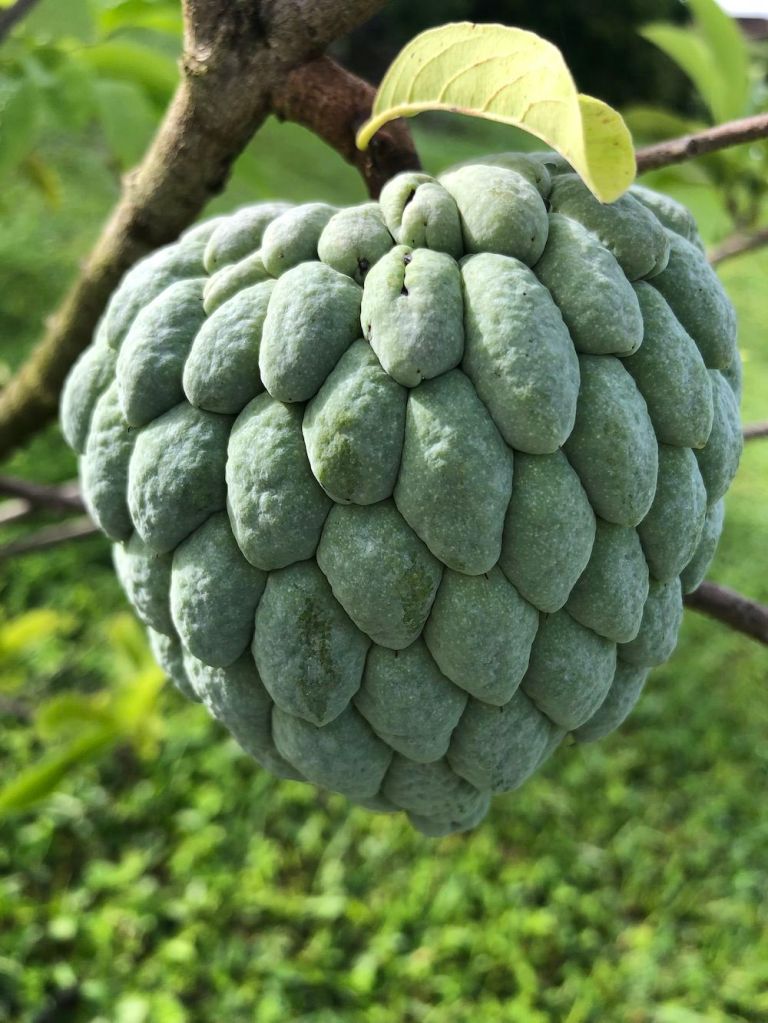
Sugar apple, also called sweetsop or custard apple, is a tropical fruit tree prized for its creamy, sweet, aromatic pulp. It’s relatively easy to grow in warm climates and can bear fruit in as little as 2–4 years from seed under good conditions.
—
1. Understanding Sugar Apples
Botanical name: Annona squamosa
Climate: Tropical to warm subtropical
Temperature: Ideal 77–95°F (25–35°C)
Cold tolerance: Light frost can damage or kill young trees
Characteristics: Drought-tolerant, deciduous in dry season, responds well to pruning
—
2. Starting from Seed
✔ Selecting Seeds
Use seeds from fully ripe, healthy fruit.
Choose fresh seeds—viability drops after a few months.
Rinse to remove pulp, which can inhibit germination.
✔ Pre-Germination Treatment
Sugar apple seeds naturally have a hard coat. To improve germination:
Soak seeds in warm water for 24–36 hours
Optionally scarify slightly with sandpaper (light rub only)
✔ Soil Mix for Germination
Use a well-draining mix:
1 part coco coir or peat moss
1 part perlite
1 part compost
pH ideally 6.0–6.5.
✔ Planting Seeds
Plant ½–1 inch (1–2 cm) deep
Keep soil moist but not soggy
Maintain warmth: 75–90°F (24–32°C)
Place in bright, indirect light
⏱ Germination Time
Typically 3–8 weeks, though sometimes up to 12 weeks
—
3. Caring for Seedlings
Light
Provide bright light; partial sun is ideal at first
Indoors: use grow lights if natural light is too weak
Water
Keep evenly moist; avoid waterlogging (root rot risk)
Fertilizer
Once true leaves appear:
Apply a balanced organic fertilizer (e.g., 5-5-5) every 4–6 weeks
Avoid overfertilizing young seedlings
Transplanting
When seedlings have 4–6 true leaves:
Move to larger pots (1–3 gallons)
Ensure excellent drainage
—
4. Planting Outdoors
✔ Site Selection
Sugar apple trees love:
Full sun (6–8+ hours/day)
Warmth
Well-draining soil—they hate soggy conditions
A raised mound improves drainage
✔ Soil Preparation
Loamy, sandy soil is ideal. Improve clay soils by adding:
Coarse sand
Compost
Perlite
✔ Planting
Dig a hole 2–3× wider than the root ball
Plant at the same depth as in the pot
Water deeply after planting
—
5. Watering and Feeding Mature Trees
Watering
Deep water once or twice weekly in dry season
Reduce watering during the tree’s natural leaf-drop period
Fertilizer Schedule
Use a fruit-tree blend or balanced fertilizer:
Young trees: 6–6–6 or similar every 6–8 weeks
Mature trees: higher potassium (like 4-4-8) to support fruiting
Add compost annually for soil health.
—
6. Pruning and Shaping
Sugar apple naturally grows irregularly. Pruning improves fruit quality and ease of harvest.
How to prune
Remove crossing or inward-growing branches
Maintain an open, airy canopy
Keep tree height to 6–10 ft for easy harvesting
Best time to prune: dry season, before new growth starts.
—
7. Pollination
Sugar apple trees have partially self-fertile but complex flowers (male and female phases). In humid or insect-poor areas, manual pollination boosts yield.
Manual pollination steps
1. Collect fresh pollen from a flower in its male phase (late afternoon).
2. Use a small brush to place pollen into a female-phase flower (morning).
3. Repeat for best results.
This dramatically increases fruit set.
—
8. Pests & Diseases
Common pests:
Mealybugs
Scale insects
Fruit borers
Aphids
Use neem oil or insecticidal soap as needed.
Diseases:
Anthracnose (fungal spots)
Root rot (overwatering)
Improve airflow and drainage to prevent issues.
—
9. From Flower to Fruit
Timeline (approximate)
Flowers appear: Year 2–4, depending on climate and care
Fruit development: 3–4 months after pollination
Ripe fruit color: green to yellow-green
Segments become pronounced
Fruit softens slightly when ready
Harvest by snipping the stem
Avoid letting fruit drop—it can bruise easily.
—
10. Tips for Faster Fruit Production
Plant in full, strong sun
Maintain lean but consistent watering
Fertilize regularly with potassium-rich amendments
Prune to encourage new growth (fruit forms on new wood)
Consider grafting improved varieties once you have rootstock
Practice hand pollination for greater success
—
🍈 Conclusion
Growing sugar apple from seed is rewarding and surprisingly beginner-friendly. With warm temperatures, good soil drainage, sunlight, and consistent care, your tree can produce delicious, fragrant sugar apples in just a few years.
 Arbuckle Creek
Leave a comment