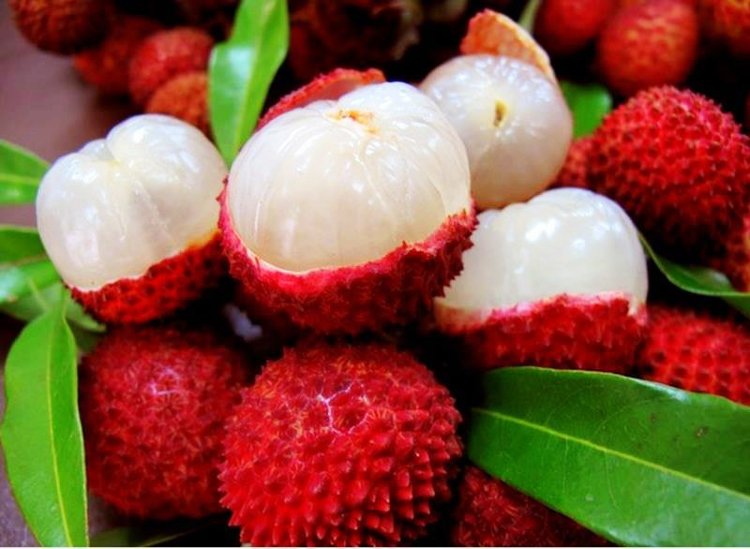
Would you love to grow your own lychee fruit but don’t have enough room for a full-sized tree? Growing lychee in a container may be the perfect solution. With the right pot, suitable growing conditions, and proper care, you can grow a lychee tree on a patio, balcony, or small backyard.
Lychee trees are tropical and subtropical fruit trees known for their sweet, juicy fruit and attractive evergreen foliage. Although they naturally grow into large trees when planted in the ground, container growing allows you to manage their size and move young trees to a protected location when cold weather arrives.
However, growing lychee in a pot comes with a few challenges. Container-grown trees need careful watering, appropriate fertilizer, good drainage, and enough room for their roots. Producing fruit can also take patience, particularly in areas where winters are too warm or too cold for reliable flowering.
In this guide, we’ll explain how to grow lychee in containers, choose the right pot, care for your tree, and improve your chances of harvesting delicious homegrown fruit.
Can You Grow Lychee in a Container?
Yes! Lychee trees can be grown in containers, especially when you begin with a healthy, air-layered or grafted tree from a reputable nursery.
Container growing is particularly useful for gardeners who have limited space or want the flexibility to move a young tree when temperatures drop.
However, lychee trees are not naturally dwarf trees. They can eventually become too large for small pots, and restricting their roots may limit their growth and fruit production.
For the best results, choose a manageable young tree, provide a sufficiently large container, and prune selectively to maintain a practical size.
Keep in mind that a potted lychee tree may produce less fruit than a mature tree growing in the ground. Some container-grown trees thrive for years without producing a substantial harvest.
Choosing the Best Lychee Variety for Containers
Selecting the right variety can make container growing easier.
Several lychee varieties are grown in Florida, but availability and performance depend on your location and nursery.
Mauritius
Mauritius is one of the most widely grown lychee varieties in Florida.
Reasons to consider it include:
– Sweet, flavorful fruit.
– Established use in Florida fruit production.
– Availability from some tropical fruit nurseries.
– Good potential for home growing in a suitable climate.
Brewster
Brewster is another established Florida lychee variety.
It produces flavorful fruit and can grow vigorously. However, it may bear irregularly, meaning some years can be much more productive than others.
Sweetheart
Sweetheart is valued for its attractive fruit and eating quality. It is another option to consider when searching for a lychee tree suitable for container growing.
Important tip: The variety is only part of the equation. Choose a healthy, correctly identified tree with a good root system. For earlier fruiting, an air-layered or grafted tree is generally preferable to one grown from seed.
There is no guarantee that any of these varieties will remain small or produce reliably in a container.
What Size Pot Does a Lychee Tree Need?
Choosing the right container is one of the most important steps in growing lychee successfully.
A pot that is too small restricts root growth and dries out quickly. A container that holds too much wet soil without adequate drainage can create root problems.
Recommended Container Sizes
Use the following as a practical starting point:
– Young tree: A 3- to 5-gallon container may be suitable for a small nursery tree.
– Developing tree: A 10- to 15-gallon container provides more room as the tree grows.
– Larger, established tree: A 20- to 30-gallon or larger container may be appropriate, depending on the tree’s size and root system.
These are general guidelines rather than strict requirements. Choose a pot based on the size of the root ball and increase the container size gradually when needed.
A larger pot is not automatically better if the soil remains wet for long periods.
What Type of Container Is Best?
Several container materials can work well.
Plastic pots: Lightweight, affordable, and easy to move. They generally retain moisture longer than unglazed clay pots.
Fabric grow bags: Provide good aeration and can help prevent roots from circling tightly. However, they may dry out quickly in hot Florida weather.
Glazed ceramic pots: Attractive and useful for patios, although large pots can be very heavy.
Wooden planters: Can work well if constructed from durable materials and designed with adequate drainage.
Whatever container you choose, make sure it has multiple drainage holes. Avoid pots that trap excess water around the roots.
If you eventually move to a very large container, use a sturdy plant dolly or choose a permanent location before filling it.
The Best Potting Mix for Lychee Trees
Lychee trees need a growing medium that holds enough moisture for healthy roots while allowing excess water to drain freely.
Ordinary garden soil is usually not the best choice for containers. It can become compacted and may drain poorly in a pot.
Instead, use a high-quality potting mix formulated for container plants.
A suitable mix should provide:
– Good drainage.
– Adequate moisture retention.
– Plenty of air around the roots.
– A stable structure that does not compact easily.
A commercial potting mix intended for woody plants or container-grown fruit trees can be a good starting point.
You can improve some mixes with appropriate horticultural bark or other potting-media components, provided the final mixture remains well-drained and does not dry out excessively fast.
Avoid heavy garden soil, excessive amounts of fine compost, or other materials that make the mixture dense and waterlogged.
Lychee trees can be sensitive to unsuitable soil conditions and nutrient deficiencies, so a well-managed potting mix is essential.
How to Plant a Lychee Tree in a Pot
Planting your lychee tree correctly helps it establish roots and reduces unnecessary stress.
Step 1: Prepare the Container
Select a container with adequate drainage holes. If you are reusing a pot, clean it before planting.
There is no need to place a thick layer of gravel in the bottom. Gravel does not improve drainage in the way many gardeners expect and reduces the amount of usable potting mix.
Step 2: Add Potting Mix
Add enough potting mix to position the root ball at the correct height.
Leave some space at the top of the pot for watering.
Step 3: Position the Tree
Remove the tree carefully from its nursery container.
Avoid unnecessarily disturbing the roots, particularly if the tree is already established. Lychee trees can respond poorly to root damage.
Place the tree in the new container with the top of the root ball level with or slightly above the surrounding potting mix.
Do not bury the trunk.
Step 4: Fill Around the Root Ball
Add potting mix around the sides of the root ball and gently settle it into place.
Do not pack the mixture tightly, because roots need oxygen as well as moisture.
Step 5: Water Thoroughly
Water the newly planted tree until excess water drains from the bottom of the container.
Allow the pot to drain completely. Never leave it sitting in a saucer filled with standing water.
Keep the tree in a protected location while it adjusts to its new container, then gradually provide the appropriate amount of sunlight.
How Much Sunlight Does a Potted Lychee Tree Need?
Lychee trees generally grow best in a sunny location.
Aim for approximately six to eight hours of direct sunlight daily when possible, while protecting newly purchased or recently repotted trees from sudden exposure to intense afternoon sun.
In Central Florida, container-grown trees can experience considerable heat around their roots during summer.
Dark plastic containers in full afternoon sun may become especially hot. If necessary, provide some protection for the container itself without shading the tree excessively.
A location with morning sun and some protection from the harshest afternoon conditions may be helpful during establishment.
Once the tree is acclimated, provide plenty of light to support healthy growth and potential fruit production.
Watering Lychee Trees in Containers
Watering is one of the most important aspects of container-grown lychee care.
Potted trees have a limited amount of soil available to hold moisture. During hot Florida weather, that soil can dry out much faster than the ground around an in-ground tree.
At the same time, lychee roots can suffer if the potting mix stays saturated.
How Often Should You Water?
There is no single watering schedule that works for every container.
Check the potting mix regularly, particularly during hot, dry, or windy weather.
When the upper portion of the mix begins to dry, check deeper into the pot before watering. If the root zone is becoming dry, water thoroughly until excess water drains through the bottom.
During rainy periods, you may need to water much less frequently.
Smaller pots and fabric grow bags may require more frequent watering than large plastic or glazed containers.
Signs of Too Much Water
Watch for:
– Yellowing leaves.
– Poor growth.
– A potting mix that stays wet for days.
– Root decline or an unpleasant smell from the growing medium.
Signs of Too Little Water
Possible symptoms include:
– Wilting leaves.
– Dry, curling leaf edges.
– A very light container.
– Potting mix that pulls away from the sides of the pot.
These symptoms can have several causes, so examine the growing conditions before changing your watering routine.
The goal is to maintain consistent moisture while allowing the root zone to receive plenty of oxygen.
Fertilizing a Container-Grown Lychee Tree
Container-grown lychee trees need nutrients because repeated watering gradually carries some nutrients out through the drainage holes.
However, excessive fertilizer can damage roots and encourage excessive leafy growth.
Choose a complete fertilizer suitable for lychee or tropical fruit trees, and follow the product label carefully.
Young trees generally benefit from smaller, appropriately spaced fertilizer applications. Larger trees may require a different program depending on their size, growing conditions, and stage of development.
Important nutrients include nitrogen, potassium, magnesium, iron, zinc, and manganese.
When Should You Fertilize?
In Florida, active growth generally increases during the warmer months. Follow an appropriate seasonal fertilizer program, taking the tree’s age and flowering cycle into account.
Avoid excessive nitrogen as a mature tree approaches flowering, and do not apply concentrated fertilizer to dry roots.
If you use a controlled-release fertilizer, follow its label for the correct rate and application interval. Container-grown plants can be especially sensitive to excessive fertilizer salts.
How to fertilize your Lychee tree
What If the Leaves Turn Yellow?
Yellow leaves may indicate a nutrient deficiency, but they can also result from overwatering, damaged roots, unsuitable potting mix, or incorrect soil pH.
Do not automatically increase fertilizer whenever the leaves change color.
Investigate the underlying cause first, and seek a soil or potting-media assessment when symptoms persist.
Can a Potted Lychee Tree Produce Fruit?
Yes, a lychee tree grown in a container can produce fruit, provided it reaches maturity and receives suitable growing conditions.
However, fruit production can be less predictable than it is for trees growing in favorable outdoor locations.
Several factors influence whether a container-grown lychee tree will flower and fruit.
Tree maturity: Young trees may need several years before producing fruit.
Growing conditions: Healthy roots, adequate sunlight, appropriate nutrition, and proper watering all contribute to tree health.
Winter temperatures: Lychee generally benefits from cool, nonfreezing winter conditions to promote flowering. A tree kept in a consistently warm indoor environment may grow leaves without flowering reliably.
Root restriction: A pot that is too small can limit growth and reduce the tree’s ability to support fruit production.
Weather: Unusually warm winters, freezes, and adverse conditions during flowering can reduce the crop.
Even with excellent care, fruit production is not guaranteed every year.
How to Encourage Flowering and Fruit Production
If your potted lychee tree is growing well but not producing fruit, consider the following.
Avoid Excessive Nitrogen
Too much nitrogen can encourage leafy growth at the expense of flowering.
Use an appropriate fertilizer program rather than trying to force growth with frequent applications.
Provide Seasonal Conditions
Lychee flowering is influenced by cool winter weather. The tree needs suitable seasonal conditions, not simply constant warmth.
If you grow your tree indoors during winter, remember that a warm room may prevent the conditions needed for reliable flowering.
Maintain Healthy Roots
A tree with damaged roots or poor drainage may struggle to flower and support fruit.
Check whether the container drains properly and whether the tree has outgrown its pot.
Be Patient
Air-layered and grafted trees generally fruit sooner than seed-grown trees, but individual trees vary.
Allow the tree to establish itself before expecting substantial harvests.
How long does lychee take to fruit?
Pruning a Lychee Tree to Keep It Small
One of the advantages of container growing is that you can manage the tree’s size through careful pruning.
However, lychee trees should not be pruned aggressively simply to keep them short.
Heavy pruning can remove potential flowering growth and may reduce the next crop.
Instead, use selective pruning to:
– Remove dead or damaged branches.
– Maintain a manageable canopy.
– Remove crossing or crowded branches when necessary.
– Encourage a balanced shape.
– Keep the tree suitable for its growing space.
Prune conservatively after harvest when practical, and avoid removing large amounts of healthy growth.
Remember that a container can limit a tree’s size, but it does not turn a naturally large tree into a true dwarf variety.
Repotting a Lychee Tree
Eventually, your lychee tree may outgrow its container.
Signs include roots emerging from drainage holes, a root-bound root ball, water passing through the pot unusually quickly, or growth slowing despite otherwise suitable care.
When repotting is necessary, move the tree into a somewhat larger container with fresh potting mix.
Avoid making a sudden jump from a small pot to an enormous container if the additional soil is likely to remain wet.
Handle the root ball carefully and avoid unnecessary root pruning. Lychee trees can be sensitive to root disturbance.
If the tree has reached the largest container you can reasonably manage, careful canopy pruning and close attention to root health may help extend its time in that pot. Severe root restriction can eventually limit its health and productivity.
Growing Lychee in Containers in Central Florida
Central Florida presents special challenges for container-grown lychee trees.
Summer heat can dry out pots quickly, while winter cold can damage the tree.
One advantage of a container is mobility. A young tree can be moved to a protected area when a freeze threatens, provided the pot is manageable.
Cold Protection
Monitor weather forecasts during the winter months.
Before a freeze, move a container-grown tree into a sheltered, frost-free location if practical. If it is too large to move, cover it with suitable frost cloth and secure the cover appropriately.
A garage, enclosed porch, or other protected space may provide temporary shelter, but the tree should not be kept in a dark location for extended periods.
Remember that lychee trees can be damaged by freezing temperatures. Container roots may also experience greater temperature swings than roots in the ground.
Summer Care
During summer, check soil moisture frequently and make sure excess rain can drain freely.
Protect the container from excessive heat when needed, and monitor the tree for pests and nutrient problems.
For Central Florida gardeners, container growing offers flexibility, but it cannot eliminate the need for appropriate winter temperatures if the goal is consistent fruit production.
Common Mistakes When Growing Lychee in Pots
Avoid these common problems to give your tree the best chance of success.
1. Using a pot that is too small. Restricted roots can limit growth and productivity.
2. Choosing a container without adequate drainage. Waterlogged roots can decline quickly.
3. Overwatering. Frequent watering when the mix is already wet can damage the root system.
4. Applying too much fertilizer. Excess fertilizer can injure roots and promote unwanted vegetative growth.
5. Keeping the tree in insufficient sunlight. Poor light can weaken growth and reduce fruiting potential.
6. Pruning too aggressively. Removing too much healthy growth can interfere with future flowering and fruit production.
7. Expecting fruit too soon. Even a healthy, well-grown tree may take several years to produce a meaningful harvest.
8. Ignoring winter temperatures. A tree may survive in a location but fail to flower consistently because its seasonal conditions are unsuitable.
Is Growing Lychee in a Container Worth It?
For gardeners who love tropical fruit, container-grown lychee can be a rewarding project.
A potted tree adds attractive evergreen foliage to a patio or backyard and gives you more control over its growing environment.
Container growing is particularly useful when you have limited space or need to move a young tree during cold weather.
However, if your primary goal is to harvest large quantities of fruit, an appropriately planted tree in a favorable climate will generally have more room to grow and produce.
Consider container growing a way to enjoy the experience of raising a lychee tree, with fruit production as a possible reward rather than a guaranteed outcome.
Final Thoughts
Growing lychee in containers is possible with the right combination of sunlight, well-drained potting mix, appropriate watering, balanced fertilizer, and careful pruning.
Choose a healthy air-layered or grafted tree, begin with a suitable container, and increase the pot size as the tree grows. Pay particular attention to winter temperatures if you live in Central Florida, where freezes can be a significant challenge.
Most importantly, be patient. Lychee trees grow at their own pace, and fruit production depends on maturity, variety, weather, and seasonal conditions.
With thoughtful care, your container-grown lychee tree can become a beautiful addition to your home and may eventually reward you with fresh, homegrown lychee fruit.
Leave a Reply